Pip: There's a version of Mississippi music history that fits neatly on a poster — Delta, blues, Chicago, fame. Samp, writing for Our Unique Stories, is pulling on a thread that unravels that poster pretty quickly.
Mara: The episode is about what that unraveling reveals: a musical culture rooted in the church, carried north by the Great Migration, and almost entirely absent from the official record. Let's start with the Piney Woods and the musicians history forgot to document.
The Music in the Piney Woods
Pip: The question driving this piece starts as a gap — Newton County, Mississippi produced civil rights figures of national stature, but no Muddy Waters, no B.B. King. The post asks why, then decides that's actually the wrong question.
Mara: The reframe lands early and cleanly. The post puts it this way: "Instead of asking: Why didn't Newton County have musicians? We should be asking: What kind of musical culture did Newton County produce, and what happened to that culture when its people went north?"
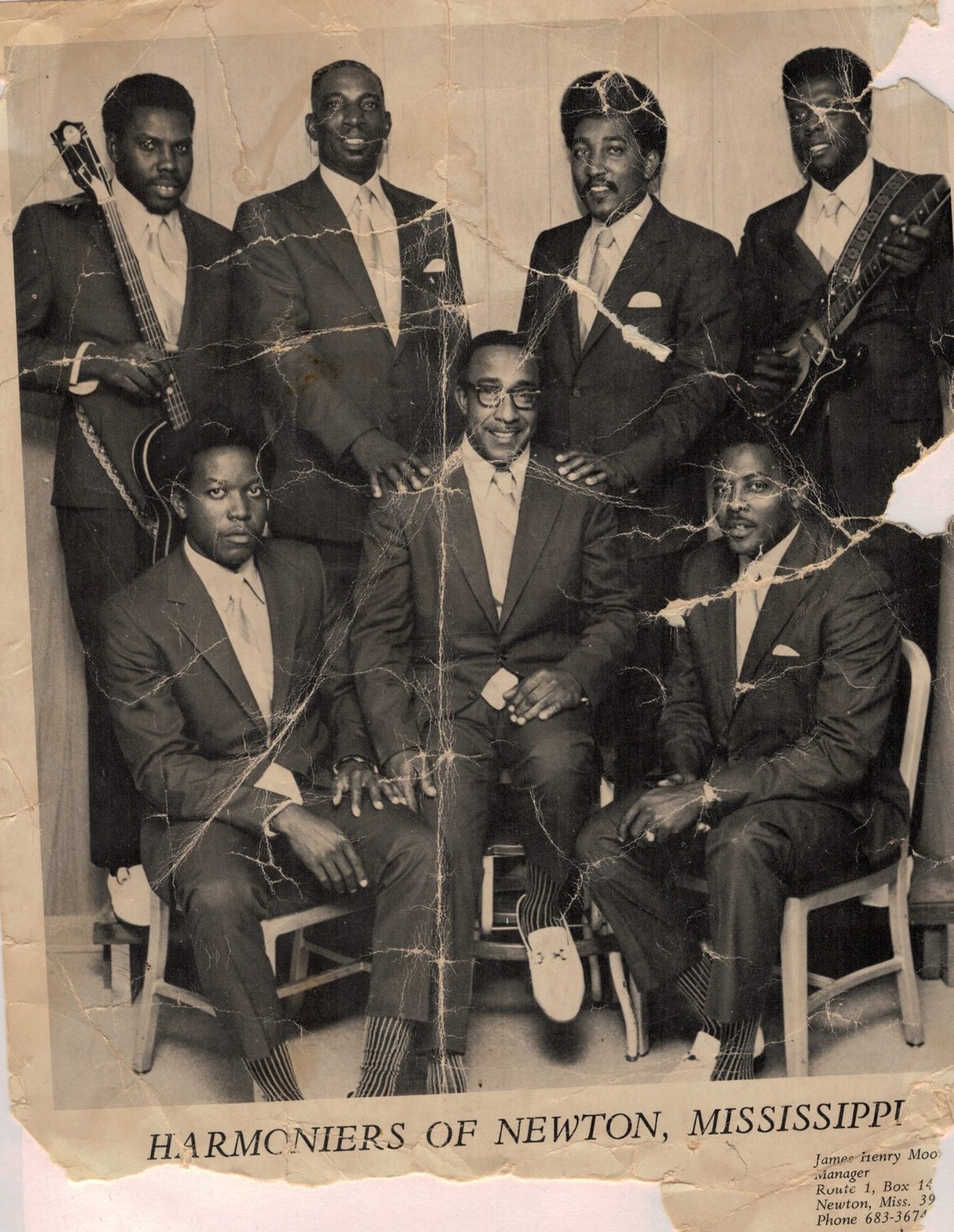
Pip: That shift matters because it stops treating absence from the commercial record as absence from history. Newton County had the Mighty Kings of Harmony, the Harmoniers of Newton County, the True Tones, and individual musicians like T. H. Bender — people whose names are only now resurfacing through local research and family memory.
Mara: The post traces why those names stayed local. Newton County's Black community life centered heavily on the church — not as one institution among many, but as the primary stage. Choirs needed singers. Revivals needed pianists. Quartet programs moved musicians from congregation to congregation across several counties.
Pip: A singer could build a real following without a recording contract. The sanctuary was the stage — which is a genuinely different infrastructure from the juke joints and barrelhouses that fed the Delta blues circuit.
Mara: And that infrastructure shaped what migrants carried north. The post makes the point that Mississippi had already formed the musician before migration. A Delta musician arriving in Chicago might already have a secular performance network to plug into. A Newton County musician arrived with gospel roots, church connections, and relatives who could point him toward a factory job and a Sunday choir.
Pip: Factory on Monday, lead voice in the choir on Sunday — and the post argues that for someone who left Jim Crow Mississippi seeking stability, that combination wasn't a consolation prize.
Mara: The post calls it "a profound victory." The harder problem is that community musicians leave behind memory, not archives. No contracts, no album covers, no radio logs. Church anniversary booklets, funeral programs, cassette tapes in boxes, and the recollections of elders — that's where this history actually lives.
Pip: Which means genealogical training — census records, deeds, death certificates — gets you the life but not the music. The post ends as an open call: if your family came from Newton County, check the old photographs, ask the elders, find the recordings.
Mara: The research is ongoing, and the conclusion the post reaches is that Newton County's musicians were never missing. The music traveled through different networks and left different evidence — and some of it may still be waiting in a closet or attic somewhere between Mississippi and Detroit.
Pip: The Great Migration as a single story moving north — this piece makes that framing feel like a map with half the roads missing.
Mara: Many Mississippis went north. The next episode will find more of them.
Leave a Reply